
Food Sustainability - Eating Native Plants in Lake County
Cover image: Middlefork Savanna
Have you ever looked at the location information on a piece of fruit or package of processed food and been wildly baffled by how far it travelled to get to you? Whether it’s kiwis grown on the literal opposite side of the planet in New Zealand or the infamous ‘Pears grown in Argentina, packed in Thailand’, our current food system has normalized this sort of globalized network, where a major portion of the food we eat isn’t even grown in our own country, let alone freshly made in our neighborhood. This has been made possible by chemical preservatives, freezers, and oil-fueled shipping. Artificial ingredients abound in junk foods, which, while tasty in small quantities, have detrimental effects on our health we may not yet fully understand.
But is all this really for the best? In the race for convenient access to familiar products in every storefront, we’ve largely lost the ability to provide food for ourselves, from our own land. And we don’t have much of that natural landscape left, either! However, that land is still there, and with it, we can embrace an alternative path, one that our ancestors and Native peoples followed in the days before we had endless acres of corn and soybeans in Illinois and continue to follow today: the use of the many edible and nutritious plants that were already growing wildly, naturally.
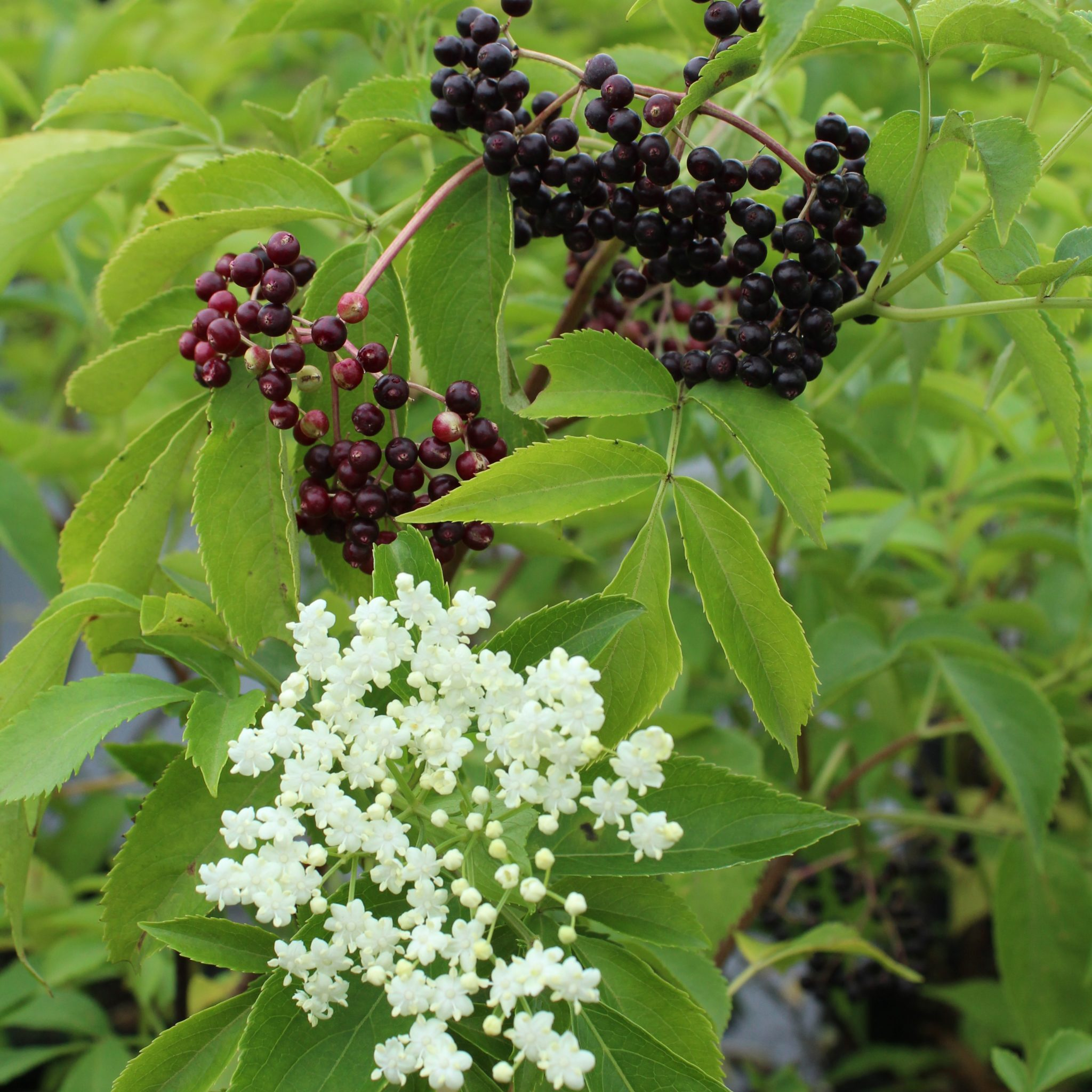
American Elderberry
Sambucus Canadensis
Growing in wetland areas in the county, these plants bear ripe berries in autumn. The berries are best eaten as a jam or syrup, as they must be cooked and the seeds removed.
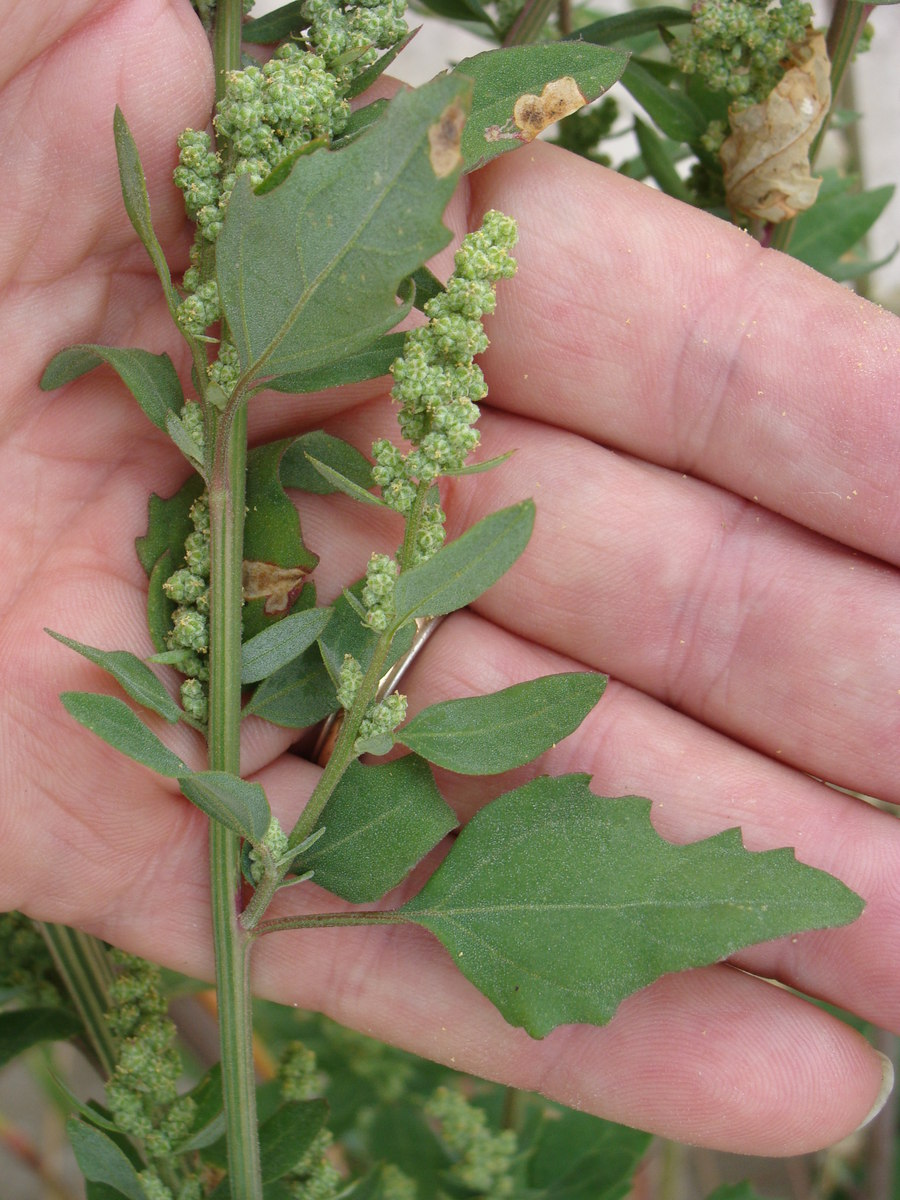
Pitseed Goosefoot
Chenopodium berlandieri
Highly nutritious, this plant is no mere weed! It is cultivated for its seeds in Mexico, which are used like grain, but the leaves and infant shoots are also eaten as vegetables.
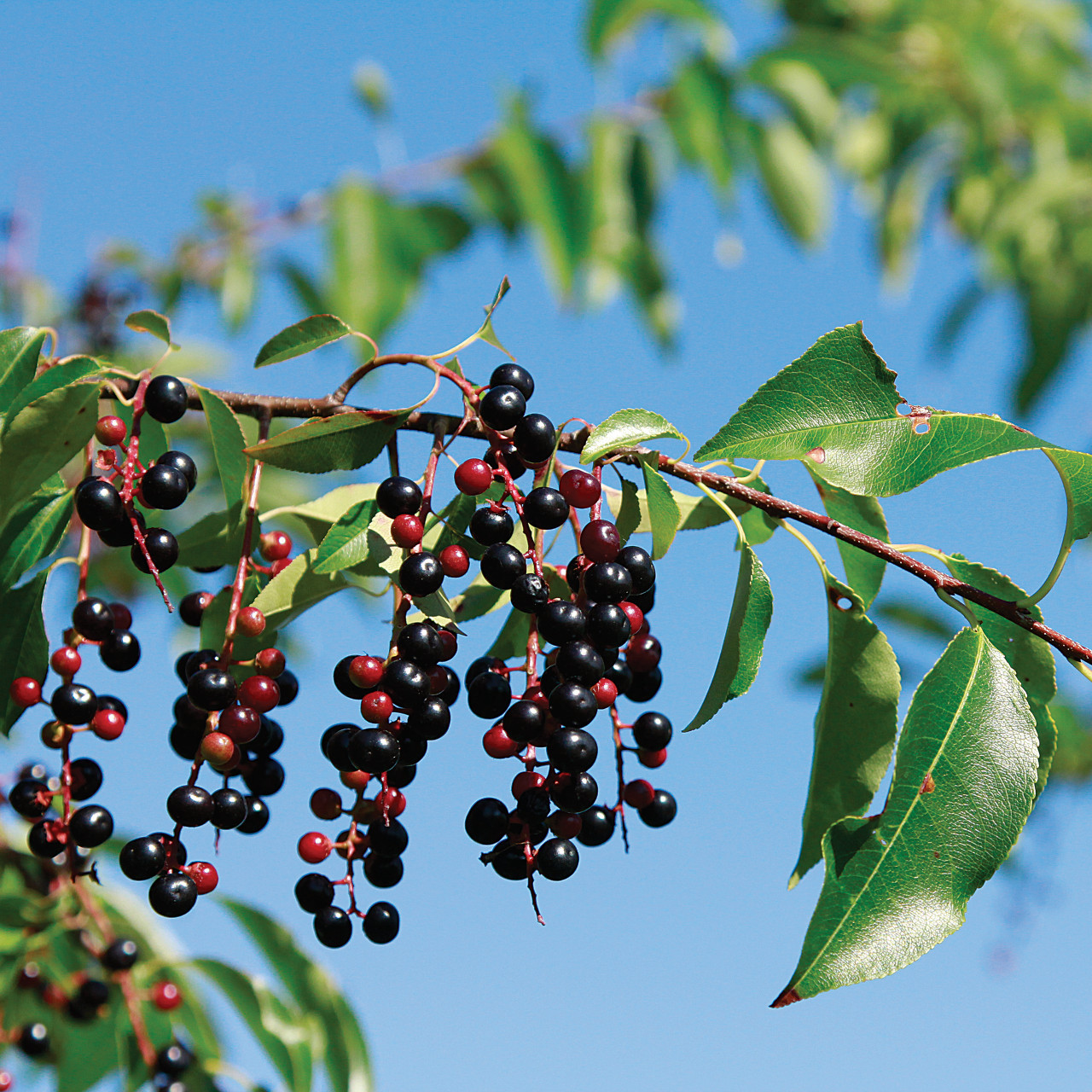
Black Cherry
Prunus serotina
Unlike elderberries, these wild tree fruits can be eaten as-is. Like the Groundnut, they can also be found in Lake County’s Middlefork Savanna.
Back in those days, people could rely on nature to provide throughout the year, without needing to worry about E.coli contamination, supply chain shortages, or rising costs. You could simply go out into the prairie and dig up tubers to boil, pick nuts from the trees in the fall, and make jam to store overwinter. The plants would then just grow back on their own so long as you didn’t strip the land barren and took only what you needed. This is true food independence, and it used to be ours.
With the space and ability to forage, all you needed to keep yourself and your family fed was a bit of knowledge, no 40 hour workweek required. That’s why it’s called food independence, because it frees us from that artificial capitalist imposition, giving us more time to enjoy life. And those same wealth hoarders constantly demand more and more money for corporate produce. According to the US Bureau of Labor statistics, the price of bread has gone up by 29% over the past decade. Chicken’s cost rose by 43%, beef by 66%. Meanwhile, wages for low-income workers only increased by 4% over that time according to the Economic Policy Institute. It’s completely unsustainable. Some people don’t even have any food nearby; far from being surrounded by natural abundance, they are driven by circumstance into so-called ‘food deserts’, which don’t even have supermarkets with decent produce, let alone the fresh produce of the earth.
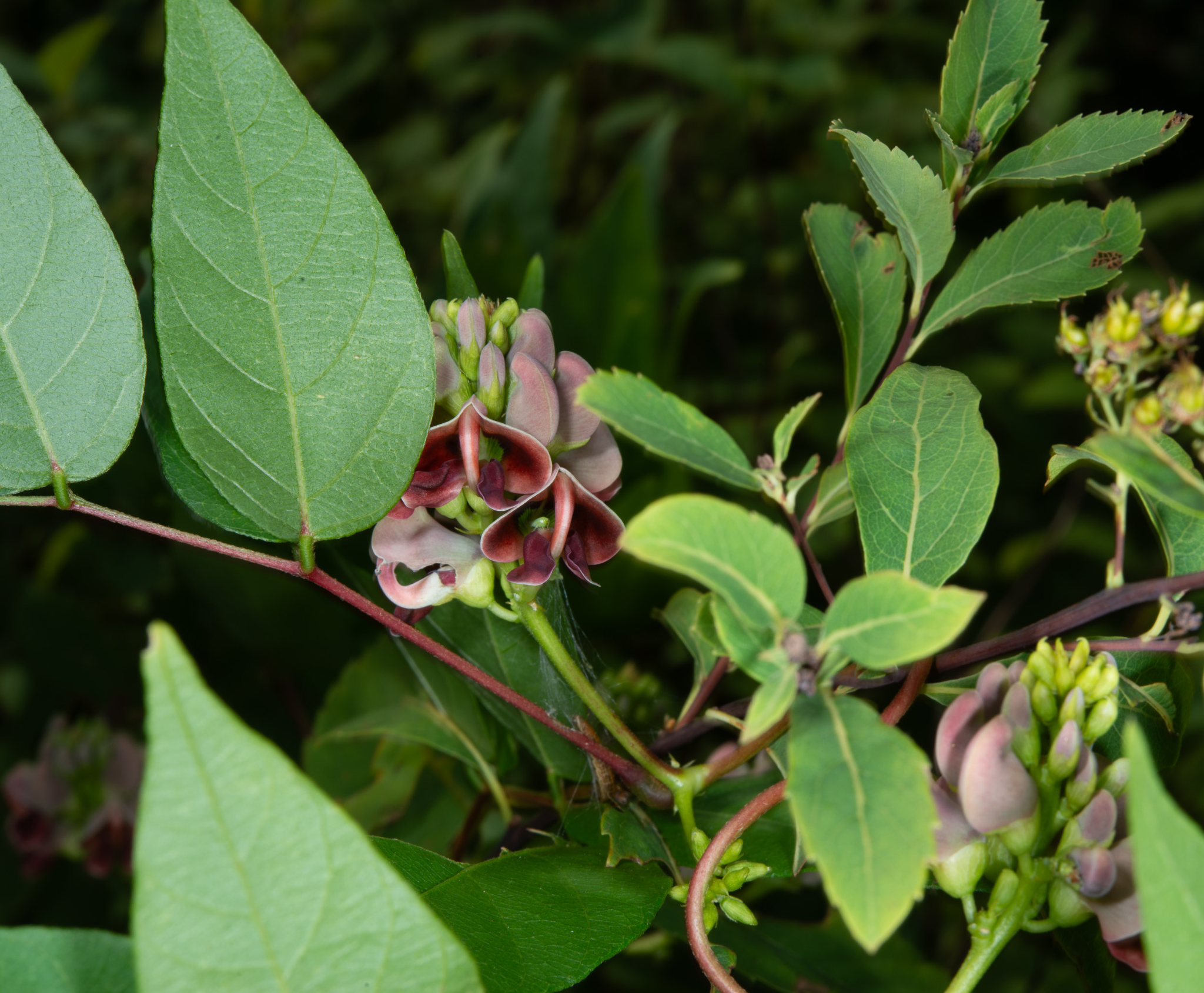
Groundnut
Apios americana
A documented presence in our Middlefork Savanna, these were a staple food for Native peoples. While the beans are edible, they are mainly prized for their tubers.
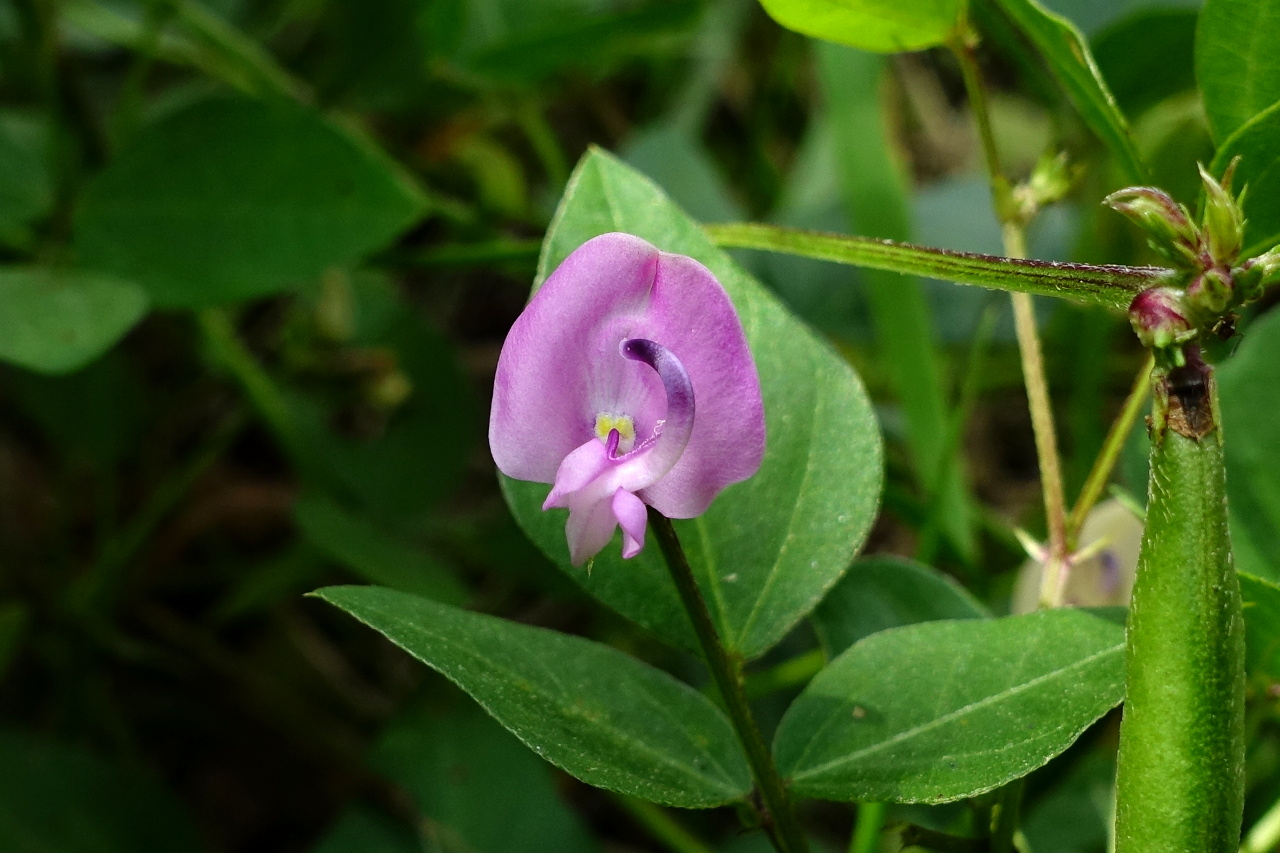
Annual Sand Bean
Strophostyles helvola
These hardy plants can grow in many sandy spots others wouldn’t, demonstrating the resilience of nature over farmland. Eat them as you would normal green beans.
Widening the use of native plants for food independence in Lake County would also be a boon for the environment, preserving the natural resources beside Lake Michigan through demonstration of their worth instead of auctioning them off to the highest bidder for more golf courses, office complexes, and parking structures. The prolific use of pesticides in these areas have poisoned the soil alongside weedkillers, and many of the ‘weeds’ being stifled in this way are the very same edible native plants we could be utilizing! And of course, because our lawmakers are beholden to these aforementioned financial forces, the current system has laws in place to make using the existing land for food security as difficult as possible by declaring only certain plants be allowed for appearances.
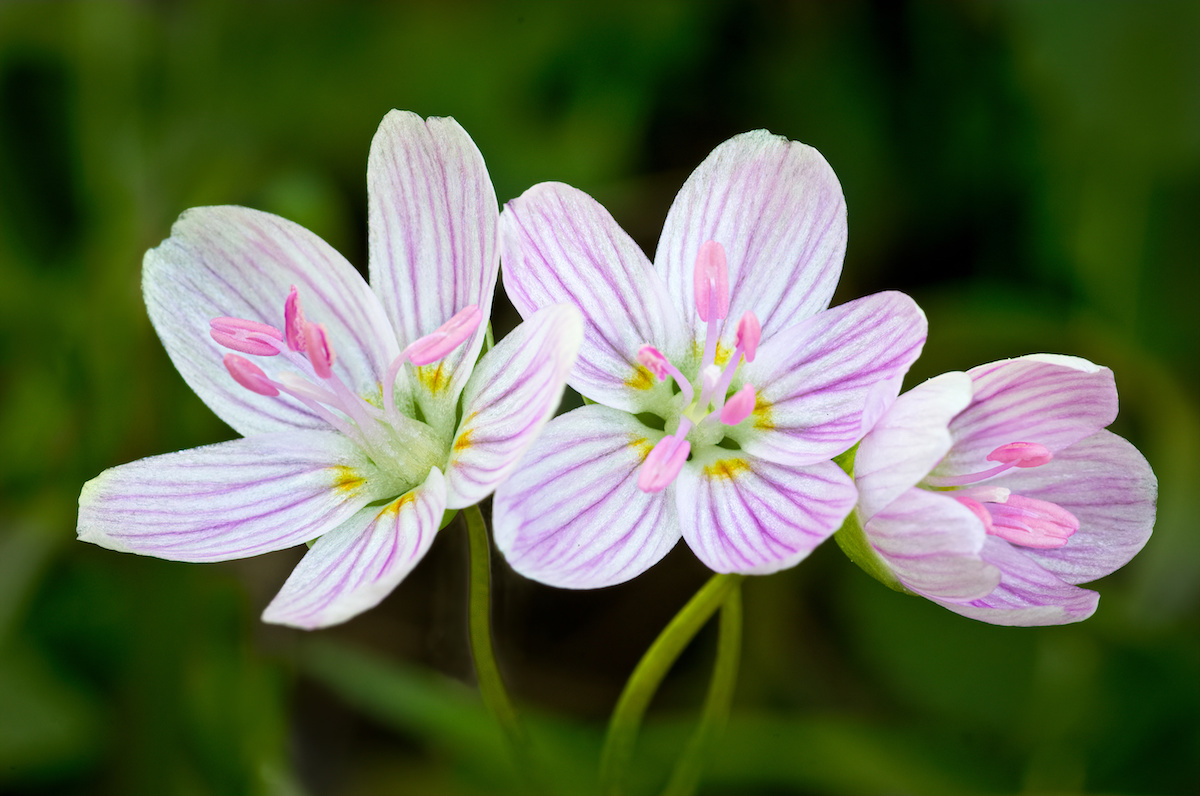
Spring Beauty / Fairy Spud
Claytonia virginica
These small flowers grow abundantly in all sorts of places, though mainly forest floors. The tubers are great to eat raw or cooked, perfect for foraging and favored for their taste!
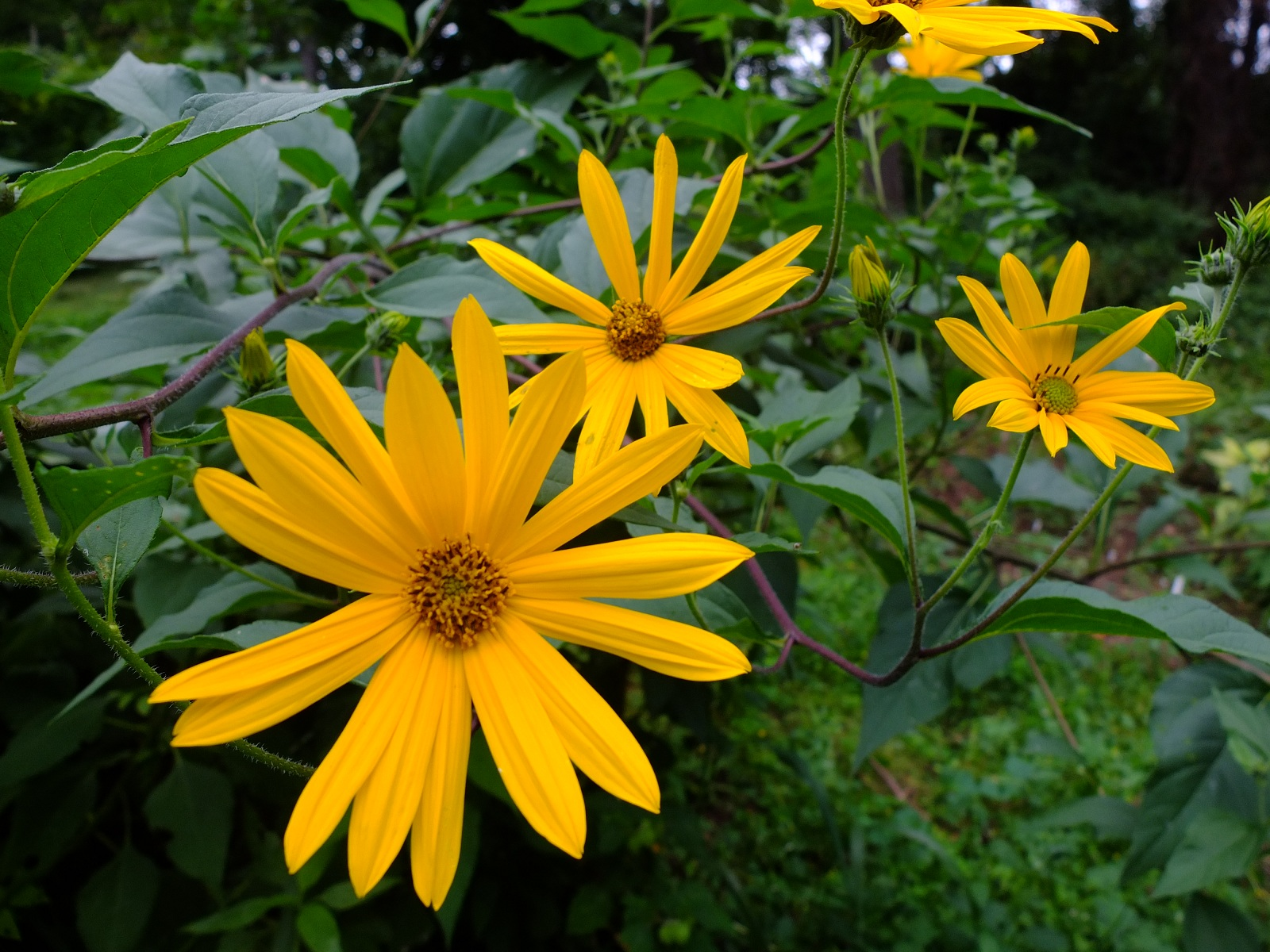
Jerusalem Artichoke / Sunroot
Helianthus tuberosus
A great source of fiber, these lovely flowers grow readily in prairies. The roots are edible raw or cooked, and can be used in many recipes. A quick online search reveals dozens!
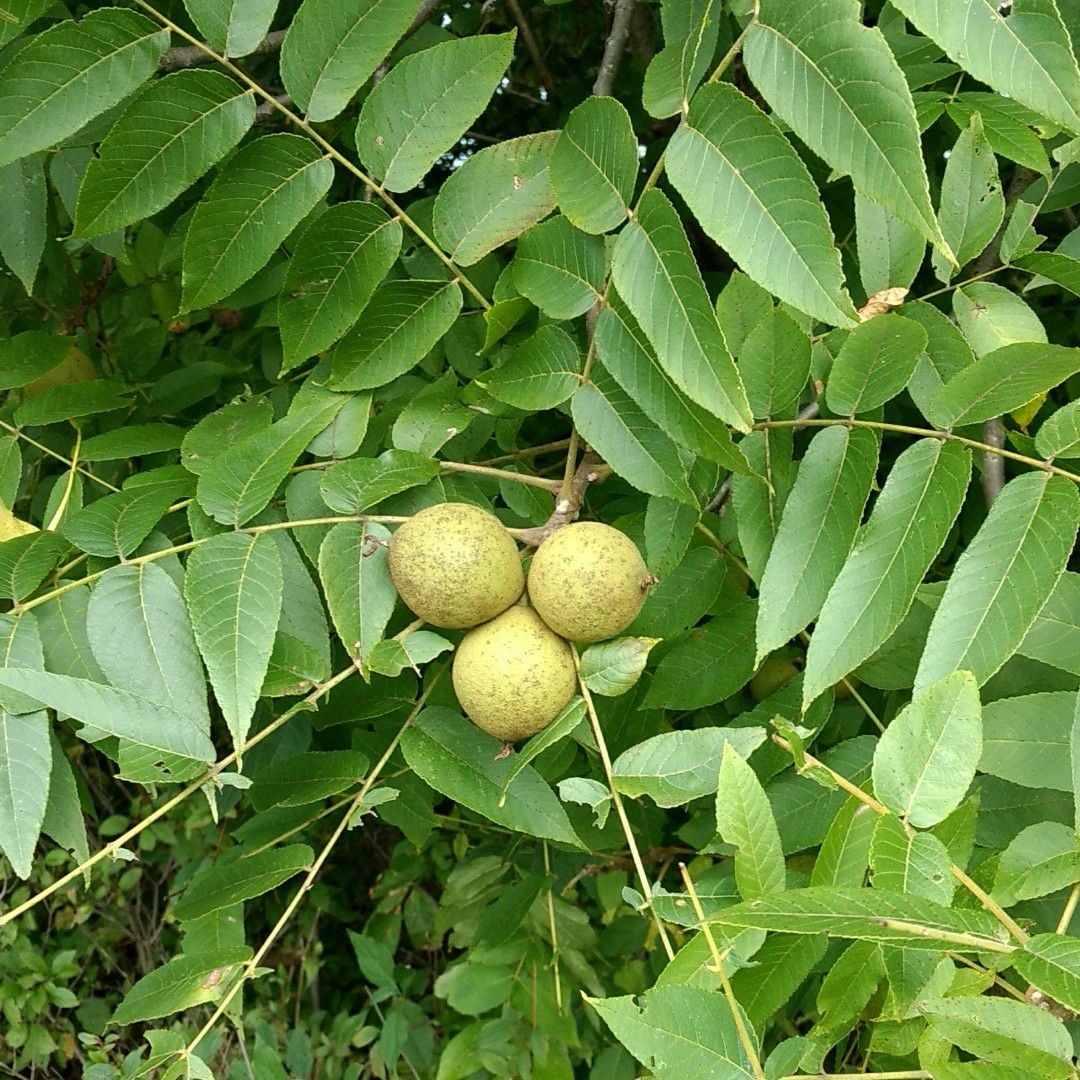
Black Walnut
Juglans nigra
Common along local riverbanks, these are the very same walnuts frequently eaten all over the country. The trees can also be tapped like Maple trees for syrup!
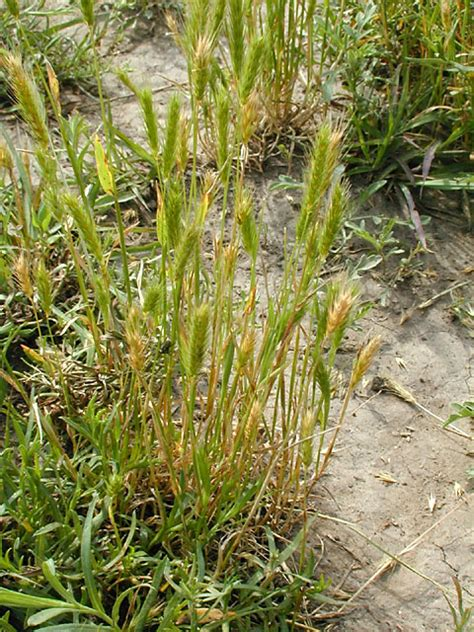
Little Barley
Hordeum pusillum
Growing overwinter, this humble grain is harvestable in April, and thrives in dry, sunny spots, even roadsides. If you would rather just grind seeds into flour instead of hunting elusive plants, little barley is for you!
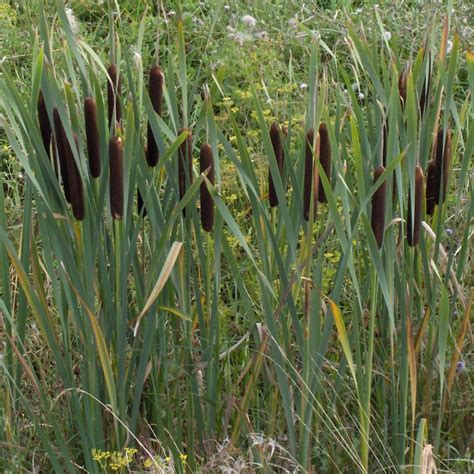
Common Cattail
Typha Latifolia L.
Found all over wetlands, most of the common cattail is edible! The brown rhizomes can be ground into flour, the roots peeled for cooking, and the fresh shoots in spring are comparable to asparagus.
Thankfully, as of 2021, we can grow vegetable gardens on our own property freely in Illinois, but only two other states in the country have such protections. Foraging is completely banned in Illinois nature preserves, while in Illinois state parks, only mushrooms, fruit, and nuts may be harvested, no grains or vegetables. And of course, you could be fined for trespassing if you try to forage on private land without permission, even if the landowner is just callously leaving perfectly good produce to wither away.
But we can still resist by spreading awareness, accepting nature’s gifts where we can, and working at the local level to seed our yards with easy, native abundance. Organize a community garden, rewild abandoned lots, share tools and recipes! Each action we take brings us one step closer to building a more sustainable and equitable future, one where nobody wants for produce. True liberty and justice can, and must, include the sovereignty of the people to self-determine how to best use the natural resources at our disposal: for the long-term benefit of the people who live in the area!
Before You Forage (sidebar)
Start by eating only a small, cooked amount first, in case you’ve misidentified a plant. Also be sure to harvest each species at the optimal time! The Illinois department of natural resources has a list of many more plants on its website for those interested, and websites like fallingfruit.org have a map of known foraging locations.